
Service Dog Training Programs in Prison: How They Create Change Inside and Beyond the Walls
Across the United States, service dog training programs in prison are quietly reshaping what rehabilitation can look like. These initiatives bring together two lives in need of guidance—incarcerated individuals seeking purpose, and dogs preparing for roles that will support people with disabilities, veterans, and families in the community.
While the setting may be restrictive, the impact is anything but.
Rehabilitation Built on Responsibility in Prison Dog Training Programs
Training a service dog requires structure, patience, and accountability. Participants commit to daily routines, consistent communication, and calm leadership—skills that are essential both inside prison and after release.
For many incarcerated individuals, this responsibility offers something rare: the chance to be trusted with another life. Caring for a dog creates a sense of purpose and pride, helping participants rebuild confidence and rediscover their ability to contribute in meaningful ways.
Emotional Growth and Human Connection Through Prison Service Dog Training
Many people enter the prison system carrying unresolved trauma, loss, and emotional isolation. Dogs offer unconditional presence. They respond to tone, consistency, and care—not past mistakes.
Working closely with a dog encourages emotional regulation, empathy, and patience. Over time, these interactions can help participants manage stress, develop healthier coping skills, and reconnect with parts of themselves that may have been buried for years.
Skills That Carry Forward After Prison Dog Training Programs
The lessons learned through service dog training extend far beyond the program itself. Clear communication, problem-solving, self-discipline, and routine are skills that support successful reintegration and long-term stability.
Former participants often describe these programs as turning points—experiences that helped them see a different future for themselves and strengthened their readiness for life beyond incarceration.
Community Impact of Service Dog Training Programs in Prison
The dogs trained inside correctional facilities go on to make a profound difference outside the walls. Some assist veterans living with PTSD, offering grounding and emotional support. Others help children on the autism spectrum navigate daily life, or provide independence to individuals with mobility challenges or medical conditions.
In many programs, incarcerated trainers also work with rescue dogs who once faced uncertain futures. Through training and care, these animals gain stability and confidence—just as the people working with them do.
A Quiet Example of Change
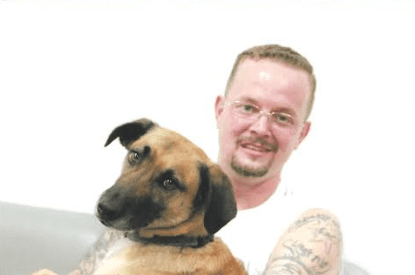
The image above shows Geoffrey Banks, currently incarcerated in Ohio, working with a service dog in training. His experience reflects the broader impact of these programs—how patience, consistency, and responsibility can help foster personal growth, even in the most challenging environments.
Why Service Dog Training Programs in Prison Matter
Service dog training programs demonstrate that rehabilitation grounded in compassion and accountability can create lasting change. They strengthen communities, prepare individuals for reentry, and remind us that transformation often begins with opportunity.
To learn more about Geoffrey Banks and the individuals behind these programs, you can view his pen pal profile and learn more about his journey here: Geoffrey Banks’ Pen Pal Profile.
Image: Geoffrey Banks participates in a service dog training program inside an Ohio correctional facility.